
Why Choose Precious Wood Films for Modern Interiors?
Abstract
Precious Wood Films help designers, fabricators, and brand owners achieve high-end wood aesthetics without the instability, waste, and cost surprises that often come with natural veneer. This article explains what typically goes wrong in wood-look projects (color mismatch, warping, inconsistent grain, slow lead times, difficult maintenance), and how Precious Wood Films can reduce those risks through controlled texture, repeatable color, and practical performance features. You’ll also find a buying checklist, a comparison table, installation tips, and a detailed FAQ—so you can choose the right film specification for your surface, process, and market expectations.
Contents
- 1. Understanding Precious Wood Films
- 2. Common Customer Pain Points in Wood-Look Projects
- 3. How Precious Wood Films Solve Those Pain Points
- 4. Material Options Compared
- 5. Where Precious Wood Films Perform Best
- 6. Practical Specification Checklist
- 7. Processing and Installation Tips
- 8. Quality Control and Consistency Tips
- 9. FAQ
- 10. Wrap-Up
1. Understanding Precious Wood Films
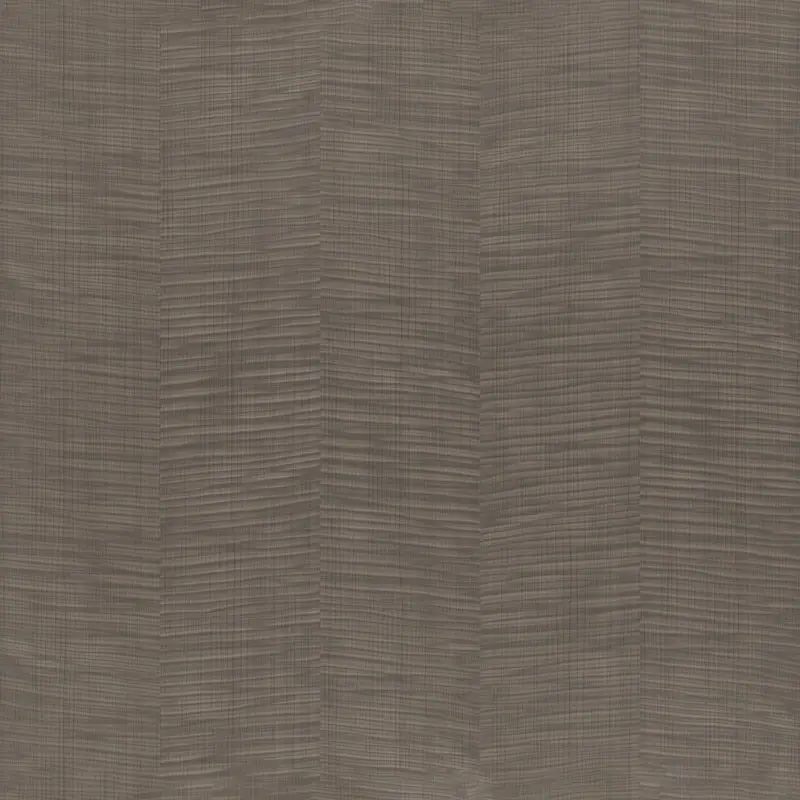
“Wood-look” can mean many things: natural veneer, laminates, printed paper, PVC/PP films, or engineered decorative surfaces. Precious Wood Films generally refer to decorative films engineered to recreate premium wood species aesthetics—grain depth, pores, tonal variation, and a “natural” finish—while offering more predictable performance across large-scale production.
Instead of relying on the variability of real timber, Precious Wood Films are produced with controlled pattern design, repeatable color systems, and surface layers that can be tuned for durability, gloss level, and tactile feel. This is particularly valuable when you need:
- Stable, repeatable appearance across multiple batches
- Scalable supply for large projects or long-term programs
- Surfaces that are easier to clean and maintain than raw wood
- Better yield and fewer defects versus natural veneer sorting
If your product line depends on consistent “premium wood” identity—think furniture panels, door skins, cabinetry, wall panels, or retail fixtures—Precious Wood Films can offer a controlled way to protect that look at production scale.
2. Common Customer Pain Points in Wood-Look Projects
Wood aesthetics sell, but real-world production and installation often introduce frustrations. Here are the most common issues teams report when trying to achieve a high-end wood finish:
Appearance inconsistency and “batch mismatch”
- Color drift between orders causes rework and customer complaints.
- Grain rhythm looks “off” when panels sit side-by-side.
- Different suppliers produce “similar” patterns that don’t truly match.
Material instability and environmental sensitivity
- Natural veneer can warp or crack with humidity changes.
- Uneven moisture leads to unpredictable production yield.
- Storage and transport require extra care.
Durability concerns in daily use
- Scratches, scuffs, and stains show quickly on untreated wood.
- Cleaning requirements may be too strict for commercial spaces.
- Edges and corners chip or peel after impact.
Slow lead times and high waste
- Veneer selection and matching is labor intensive.
- Higher rejection rates increase cost per usable panel.
- Project timelines become unpredictable when supply tightens.
Complex finishing and compliance expectations
- Multiple coats, drying time, and odor concerns add complexity.
- Teams need reassurance on chemical safety and indoor suitability.
- Export markets may require documentation and stable traceability.
3. How Precious Wood Films Solve Those Pain Points
When chosen correctly, Precious Wood Films can reduce the “unknowns” in premium wood-look production. Here’s how they typically address the pain points above:
Controlled design for stable visual identity
- Pattern libraries can be designed for natural variation without random mismatching.
- Repeat length and layout planning help panels look intentional in a series.
- Color targets can be standardized for long-term programs.
Predictable surface performance
- Top layers can be engineered for scratch resistance and easier cleaning.
- Optional finishes (matte, satin, semi-gloss) help match brand positioning.
- Some structures support better resistance to common household chemicals.
Manufacturing efficiency and higher usable yield
- Reduced sorting and matching time compared with natural veneer.
- Consistent thickness supports stable lamination and pressing behavior.
- Less waste due to knots, cracks, and “unmatchable” veneer sheets.
Scalability for multi-site production
- Films can be specified to match your substrate, adhesive system, and process.
- Approved standards help maintain consistency across factories and installers.
- Documentation and batch tracking can support long-term procurement.
For example, product programs offered by Future Color (Shandong) Material Tech Co., Ltd. emphasize wood-look decorative film solutions designed to balance premium aesthetics with production practicality, helping buyers reduce mismatch risk and improve repeatability when scaling supply.
4. Material Options Compared
Not all “wood-look” solutions behave the same. Use the table below as a practical comparison starting point when selecting a surface route.
| Option | Visual Consistency | Durability & Maintenance | Production Predictability | Typical Trade-Off |
|---|---|---|---|---|
| Natural Veneer | Low to Medium | Medium (depends on finish) | Low | Higher waste, matching difficulty, humidity sensitivity |
| HPL / Laminate Sheets | High | High | High | Edge finishing complexity, limited tactile “wood pore” realism |
| Printed Paper + Coating | Medium | Medium | Medium | Performance varies widely; may require careful sealing |
| PVC/PP Decorative Films | High | Medium to High | High | Need correct structure and adhesive match for your process |
| Precious Wood Films | High | Medium to High | High | Spec selection matters: thickness, texture, topcoat, and application method |
5. Where Precious Wood Films Perform Best
Precious Wood Films are especially useful when you need a premium look with repeatability and easier upkeep. Common applications include:
- Cabinetry and furniture panels for consistent grain direction across a product line
- Interior doors and frames where scuff resistance and stable color are important
- Wall panels and decorative boards for hotels, offices, and retail environments
- Store fixtures and display systems that must be cleaned frequently
- Renovation projects where matching replacement panels is a real-life requirement
In commercial interiors, customers typically care less about “perfectly real wood” and more about a wood atmosphere that stays clean, consistent, and presentable under daily use. Precious Wood Films are often selected to meet that expectation.
6. Practical Specification Checklist
If you want fewer surprises after sampling, treat this as your decision checklist when sourcing Precious Wood Films:
- Target look: wood species style, color family, pore depth, and gloss level
- Texture strategy: smooth, light brushed, deep pore, or synchronized grain effect
- Thickness range: matched to substrate flatness and intended durability
- Top-layer performance: scratch, stain, and cleaning resistance appropriate to your end use
- Application method: flat lamination, membrane pressing, wrapping, or profile coating
- Substrate compatibility: MDF, plywood, particle board, metal panels, or composite boards
- Adhesive compatibility: confirm your adhesive type and curing conditions
- Color control plan: define acceptable tolerance and master reference samples
- Batch and repeat control: confirm repeat length and pattern management approach
- Documentation: request performance test summaries and material safety information
The best suppliers will help you translate “I want a warmer walnut with visible pores” into measurable specifications that production teams can actually execute.
7. Processing and Installation Tips
Most failures in decorative films don’t come from the film alone—they come from process mismatch. Use these practical tips to reduce rework:
Surface preparation
- Ensure substrate is clean, dry, and dust-free before lamination.
- Control substrate moisture and storage conditions to avoid later movement.
- Check corners and edges for sharp burrs that can cause lifting.
Adhesive and temperature control
- Match adhesive type to your press method and production speed.
- Keep temperature and pressure stable across shifts for consistent bonding.
- Run small trials before scaling, especially when changing substrates.
Edge and corner strategy
- Specify suitable film flexibility if wrapping profiles or tight radii.
- Use consistent trimming and finishing to avoid micro-peel points.
- Allow adequate curing time before packaging or stacking.
A reliable Precious Wood Films program should provide clear processing guidance for your equipment type, including recommended ranges and common “avoid this” pitfalls.
8. Quality Control and Consistency Tips
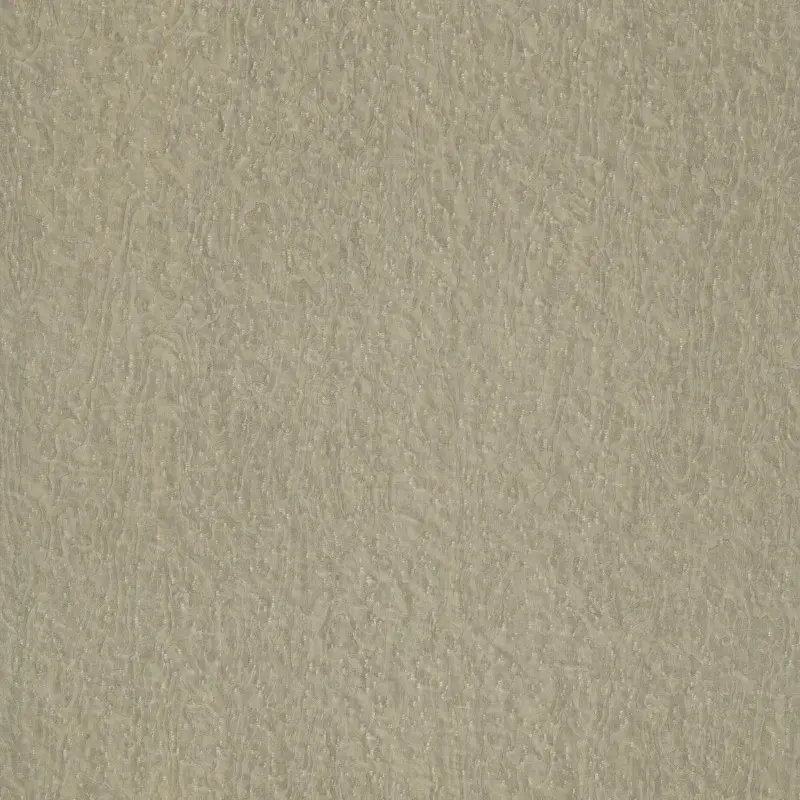
To protect your brand look, treat wood appearance as a controlled standard—not a “close enough” vibe.
- Use a master sample: keep a protected reference panel for visual matching.
- Define acceptable tolerance: agree on realistic variation boundaries early.
- Control lighting: evaluate samples under consistent light conditions.
- Plan grain direction: specify orientation for panel layouts and door faces.
- Request batch traceability: helpful for repeat orders and problem resolution.
When buyers treat Precious Wood Films as a “system” (design + spec + process + inspection), they usually see fewer complaints and better long-term consistency.
9. FAQ
-
Q: Are Precious Wood Films only for furniture?
A: Not at all. They are commonly used across interior doors, wall panels, cabinetry, retail fixtures, and many decorative surfaces where consistent wood aesthetics and practical durability are needed. -
Q: Will Precious Wood Films look “fake” up close?
A: The result depends on pattern quality, texture design, and gloss control. Films with well-designed pores and realistic tonal transitions can look very premium, especially when paired with the right substrate and edge finishing. -
Q: What causes bubbling or lifting after lamination?
A: The most common causes are dust contamination, insufficient pressure/temperature, adhesive mismatch, trapped moisture, or sharp edges. Stabilizing process parameters and improving substrate preparation usually solves it. -
Q: How do I choose the right gloss level?
A: Matte and low-sheen finishes often feel more “natural” and hide fingerprints better, while satin can add depth to darker wood patterns. Choose based on your environment, cleaning frequency, and product positioning. -
Q: Can I match a specific wood sample from my client?
A: In many cases, yes—through sample development and controlled color matching. Provide a physical reference and define what “match” means (tone, pore visibility, grain density, and lighting conditions). -
Q: Do Precious Wood Films work on curved profiles?
A: Many can, but flexibility and structure matter. If you wrap tight radii or complex profiles, specify that early so the film structure is aligned with your forming method. -
Q: How should I maintain surfaces finished with Precious Wood Films?
A: Use non-abrasive cleaning tools and mild cleaners unless your supplier confirms stronger chemical resistance. Regular gentle cleaning helps preserve appearance and reduces micro-scratching. -
Q: What should I ask a supplier before placing a bulk order?
A: Ask for recommended processing ranges, typical performance test results, repeat length guidance, tolerance targets, and batch traceability options—plus a clear sampling-to-approval workflow.
10. Wrap-Up
Premium wood aesthetics shouldn’t require premium chaos. With the right selection and process control, Precious Wood Films can help you deliver consistent, upscale wood character while reducing mismatches, waste, and maintenance headaches. If you’re building a long-term interior program—where color stability, repeatability, and practical durability matter—this route is often the most predictable way to protect both your timeline and your brand look.
If you want support choosing specifications, building a stable sampling standard, or matching a target wood style for your application, Future Color (Shandong) Material Tech Co., Ltd. can help you evaluate options and align the film structure with your production method. Ready to turn your wood-look concept into a repeatable, scalable finish—contact us for samples and technical guidance.
Send Inquiry



X
We use cookies to offer you a better browsing experience, analyze site traffic and personalize content. By using this site, you agree to our use of cookies.
Privacy Policy