
How Can Pvc Vacuum Membrane Press Pvc Film Roll Improve Surface Finishing Results?
Article Summary
Choosing the right decorative film for vacuum membrane pressing is not just about appearance. Buyers often struggle with inconsistent wrapping, edge lifting, poor texture clarity, color mismatch, and film waste during production. In this article, we explain how Pvc Vacuum Membrane Press Pvc Film Roll can help solve these common manufacturing pain points, what features matter before purchasing, where this material performs best, and how to evaluate film quality from both technical and commercial perspectives.
We also introduce how Future Colors (Shandong) Material Technology Co., Ltd. approaches decorative surface materials for furniture, doors, panels, and other interior applications. If your goal is to achieve a stable finish, consistent production output, and a more attractive final product, this guide will give you a clear framework for making a better decision.
Table of Contents
- Article Outline
- Why Do Buyers Struggle With Decorative Surface Films?
- What Is Pvc Vacuum Membrane Press Pvc Film Roll?
- What Benefits Matter Most In Real Production?
- Where Can This Film Be Used Effectively?
- How Should You Evaluate The Right Film Roll?
- How Does It Compare With Other Surface Options?
- What Mistakes Should Buyers Avoid?
- FAQ
- Ready To Discuss Your Project?
Article Outline
- Common customer pain points in membrane pressing and decorative finishing
- Definition and core function of Pvc Vacuum Membrane Press Pvc Film Roll
- Performance advantages that influence production quality and product value
- Typical applications in furniture, doors, cabinets, wall panels, and interior surfaces
- Selection criteria including finish, thickness, consistency, and forming behavior
- Comparison with paint, laminate, and alternative film-based finishing methods
- Frequently asked questions from buyers and distributors
Why Do Buyers Struggle With Decorative Surface Films?
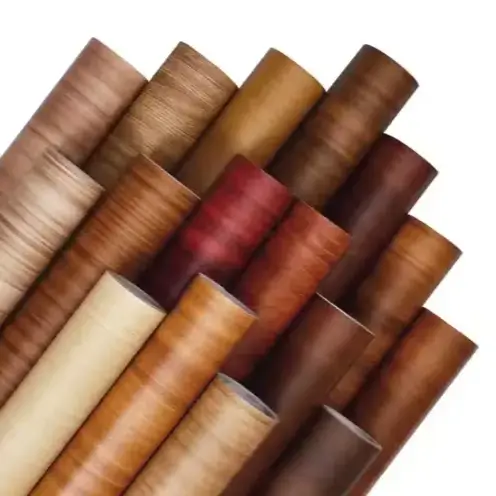
In many factories, the final appearance of a panel or door does not depend only on machinery. It often depends on whether the decorative film can stretch evenly, bond reliably, and preserve its surface design after vacuum pressing. This is where many buyers encounter trouble. They may receive film that looks acceptable on the roll, but once it enters production, the real problems appear.
Some films wrinkle at corners. Some lose pattern definition after forming. Some crack when shaped over complex profiles. Others create visible color variation from batch to batch, which becomes a serious issue for projects that require consistent furniture sets or volume door production. When these problems happen, the cost is not limited to materials. It also includes downtime, rejected parts, rework, delivery delays, and damage to customer trust.
A reliable Pvc Vacuum Membrane Press Pvc Film Roll is meant to reduce these risks. It should help manufacturers create smooth, decorative, and durable surfaces while maintaining better control over yield and appearance. For buyers who source for large-volume production, this kind of stability matters far more than a low upfront price.
Common Pain Points Buyers Want To Solve
- Uneven wrapping on edges and curved surfaces
- Poor adhesion during vacuum membrane pressing
- Visible defects after thermoforming
- Weak scratch resistance in daily use
- Inconsistent color or texture across orders
- Low production efficiency caused by material instability
- Difficulty matching the film to furniture or door design trends
What Is Pvc Vacuum Membrane Press Pvc Film Roll?
Pvc Vacuum Membrane Press Pvc Film Roll is a decorative PVC surface material designed to be used in vacuum membrane pressing processes. In simple terms, it is a flexible film roll that can be heated and pressed over substrates such as MDF, wooden boards, cabinet panels, and shaped decorative surfaces. The goal is to create an attractive, seamless outer finish that improves both appearance and product value.
This material is especially useful when the substrate has contours, routed details, or profile shapes that are difficult to finish with rigid materials. Instead of painting each detail by hand or using flat-only coverings, the film can conform to more complex geometries. That makes it a practical choice for modern furniture and interior components.
At Future Colors (Shandong) Material Technology Co., Ltd., this product direction fits the broader demand for decorative films that combine visual appeal with production practicality. For buyers, that means the material is not only selected for color and texture, but also for forming behavior, consistency, and compatibility with the intended application.
| Feature Area | Why It Matters To Buyers |
|---|---|
| Flexibility | Helps the film conform to routed, curved, or profiled surfaces during vacuum pressing |
| Decorative Finish | Supports wood grain, solid color, modern texture, and premium visual effects |
| Surface Uniformity | Improves consistency across production runs and completed furniture sets |
| Process Compatibility | Supports efficient forming when matched with the right machine settings and substrate |
| Commercial Value | Enhances the look of finished products while helping reduce visible defects and rework |
What Benefits Matter Most In Real Production?
Buyers usually ask one essential question: will this material make my production more stable and my finished product more sellable? That is exactly the right question. In practical use, the best value of Pvc Vacuum Membrane Press Pvc Film Roll comes from how well it performs across the full chain of manufacturing and end use.
First, a well-made film helps improve forming performance. It should wrap around edges, grooves, and contours with fewer visual defects. Second, it should preserve the decorative effect after pressing, so the final panel still looks refined rather than overstretched or blurred. Third, it should contribute to a surface that customers find attractive and easy to integrate into interior design projects.
Another important advantage is product positioning. Manufacturers that use reliable decorative film can often offer more design flexibility to their own customers. That may include wood-look finishes, contemporary colors, or texture-driven styles that help products stand out in competitive furniture and interior markets.
A film roll that performs consistently often saves more money in rejected parts, labor, and lead time than a cheaper roll that causes repeated production issues.
| Production Goal | How The Right Film Supports It |
|---|---|
| Cleaner wrapping results | Reduces the chance of visible defects on corners, edges, and recessed profiles |
| Better design presentation | Keeps decorative patterns and textures more convincing after forming |
| Higher output stability | Supports more repeatable production conditions across multiple batches |
| Stronger market appeal | Creates a premium-looking surface that can elevate the final product category |
| Lower hidden costs | Helps reduce waste, rework, complaint risk, and material inconsistency issues |
Where Can This Film Be Used Effectively?
One reason Pvc Vacuum Membrane Press Pvc Film Roll remains attractive to manufacturers is its wide application range. It is well suited to furniture and interior component production where appearance, consistency, and shaping performance are all important. Buyers in these sectors typically need a finish that looks polished while still being practical for volume manufacturing.
Typical uses include cabinet doors, wardrobe panels, interior door skins, decorative boards, shelving components, and furniture fronts. It may also be suitable for wall decoration elements or custom interior surfaces where a wrapped decorative layer is preferred over raw board exposure.
The exact application should always match the intended substrate, design profile, and production conditions. A film that works well for a simple flat panel may need different forming characteristics when the same buyer shifts to deeper routed patterns or more pronounced contours. That is why supplier communication matters before final selection.
Typical Application Scenarios
- Kitchen cabinet doors
- Wardrobe and closet panels
- Interior decorative doors
- Furniture fronts and side panels
- Office and commercial interior boards
- Retail display fixtures
- Customized home décor components
How Should You Evaluate The Right Film Roll?
Buyers should not rely on appearance alone. A beautiful pattern on the roll means very little if the film performs poorly during pressing. The better approach is to evaluate the material from both visual and process perspectives. That means checking not only color and texture, but also forming reliability, batch consistency, and suitability for your equipment and substrate.
Ask clear questions before ordering. Does the film match the profile depth of your panels? Does it maintain visual quality after forming? Is the finish aligned with your market, such as warm wood grain, modern matte, or high-contrast decorative design? Can the supplier support consistent supply for repeat production, not just one sample batch?
For long-term sourcing, it is also important to assess communication quality. A dependable supplier does more than sell a roll. They help buyers narrow down suitable decorative effects, understand forming expectations, and avoid mismatches between product design and process demands.
| Evaluation Point | What To Check |
|---|---|
| Finish Design | Wood grain, solid color, embossed texture, matte or glossy appearance |
| Forming Suitability | Ability to handle corners, curves, routed details, and profile depth |
| Visual Consistency | Stable color tone and surface appearance across sample and production lots |
| Application Match | Compatibility with furniture, door, panel, or decorative interior use |
| Supply Reliability | Ability to support repeat orders, customization, and commercial timelines |
How Does It Compare With Other Surface Options?
Many buyers compare decorative PVC film with paint, rigid laminate, or other finishing methods. Each has its place, but the best option depends on the product structure, visual goal, and production workflow. Paint can offer flexibility in color but often involves more process steps, stricter environmental control, and a higher risk of visual inconsistency on shaped surfaces. Rigid laminates can work well on flat boards, yet they are not always the ideal solution for contoured components.
By contrast, Pvc Vacuum Membrane Press Pvc Film Roll is particularly valuable when the substrate includes shaped surfaces that need a continuous decorative wrap. It can help manufacturers combine design variety with a more efficient surface finishing route, especially in furniture and panel production.
| Surface Option | Potential Advantage | Possible Limitation |
|---|---|---|
| PVC Vacuum Membrane Film | Good for shaped surfaces, decorative variety, and consistent wrapped appearance | Requires proper process matching and supplier selection |
| Painted Finish | Wide color flexibility and custom appearance | Can involve more labor, process sensitivity, and finish variation |
| Rigid Laminate | Useful for many flat applications | Less suitable for complex profiles and routed designs |
| Natural Veneer | Premium natural look | Can be more cost-sensitive and variable in visual consistency |
What Mistakes Should Buyers Avoid?
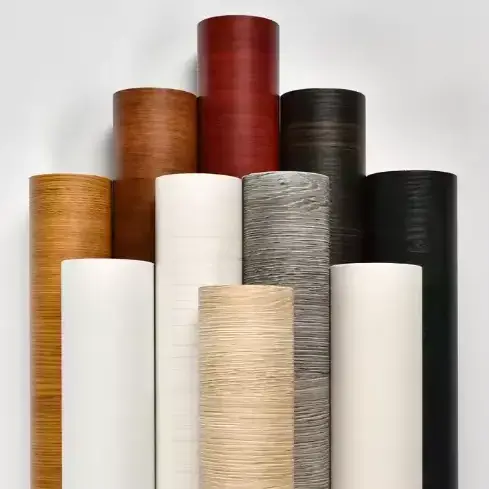
One common mistake is choosing only by price. The cheapest roll may look attractive on a quotation sheet, but if it leads to poor wrapping, increased waste, or customer complaints, it quickly becomes the more expensive choice. Another mistake is skipping realistic sample testing on your own substrate and panel profile. A film should be judged in real production conditions, not only by a catalog image.
Buyers should also avoid vague communication. If your product line includes deep profiles, premium furniture fronts, or strict color matching requirements, that needs to be stated clearly at the inquiry stage. The more precise your technical and visual expectations are, the easier it becomes to find a better material match.
Finally, do not underestimate design alignment. Surface film is not only a technical layer. It is also a visible selling feature. The right decorative effect can help a finished product fit a target market more naturally, whether that market prefers warm wood aesthetics, minimalist modern interiors, or commercial-grade decorative surfaces.
Buyer Checklist Before Ordering
- Confirm the substrate and profile complexity
- Request samples that match your real application
- Review finish style for your target market
- Check consistency expectations for repeat orders
- Discuss production goals, not just price
- Choose a supplier that understands decorative surface applications
FAQ
What is the main purpose of Pvc Vacuum Membrane Press Pvc Film Roll?
Its main purpose is to create an attractive decorative finish on shaped or flat substrates through vacuum membrane pressing. It helps manufacturers achieve a wrapped surface appearance on furniture panels, doors, and related interior components.
Why do manufacturers prefer this kind of film for profiled surfaces?
Because profiled surfaces are harder to finish consistently with rigid materials or basic flat coverings. A suitable film roll can conform more effectively to contours and routed details, making it a practical option for shaped components.
How can buyers judge whether a film is suitable for their project?
Buyers should evaluate visual effect, forming behavior, consistency, and application match. The best approach is to test samples on the actual substrate and profile type used in production.
Can this material support different decorative styles?
Yes. Depending on the supplier’s range, it may support wood grain looks, solid colors, embossed textures, and other decorative effects that help finished products align with different interior trends.
Why is supplier communication important when sourcing decorative film rolls?
Because material suitability depends on more than one factor. A good supplier can help match the film to the intended substrate, profile, finish style, and repeat-order expectations, reducing the risk of production mismatch.
Ready To Discuss Your Project?
If you are looking for a more reliable surface solution for furniture panels, cabinet doors, decorative boards, or interior finishing components, Pvc Vacuum Membrane Press Pvc Film Roll may be the upgrade your production line needs. The right material can help you improve appearance, reduce avoidable waste, and deliver a finish your customers are more likely to trust and reorder.
Future Colors (Shandong) Material Technology Co., Ltd. understands that buyers need more than a product name on a catalog. They need a film that works in real production, supports their design goals, and fits their commercial requirements. If you want to explore suitable decorative options for your next order, compare styles, or discuss application details, contact us today and let us help you find a film solution that fits your market and your manufacturing needs.
Send Inquiry



X
We use cookies to offer you a better browsing experience, analyze site traffic and personalize content. By using this site, you agree to our use of cookies.
Privacy Policy